
Microcontent for Microattention: 15-Second Clips Using New Device Features and Small Moments
A definitive guide to 15-second microcontent: device-aware editing, thumbnail A/B tests, cross-posting, and attention-economy tactics.
Microcontent is no longer just a tactic for busy feeds; it is a production philosophy for an attention economy that rewards speed, clarity, and repeatability. As foldable phones reshape viewing habits, playback-speed controls become more native, and daily puzzles normalize “small but sticky” engagement, creators have a new opportunity: build short-form video that feels native to the way people actually consume content. That means designing clips for tiny windows of attention, then distributing them intelligently across platforms, devices, and thumbnail variants. If you want the broader strategy behind this shift, pair this guide with our pillar on scalable content templates that rank and convert and our explainer on faster content launches.
This guide combines the practical realities of microcontent, short-form video, foldable phones, playback speed, daily puzzles, cross-posting, thumbnails, and the broader attention economy. It is built for creators, publishers, and social teams who need a repeatable way to ship 15-second clips that can be edited fast, tested efficiently, and repackaged for multiple channels. For those thinking about the business side of small-format content, you may also want to review playbooks for protecting creator income and freelance earnings reality checks, because attention shifts always show up as revenue shifts.
1. Why 15 Seconds Became the New Creative Unit
Small attention is not a problem to solve; it is a format to design for
People often talk about shrinking attention spans, but the more useful framing is fragmented attention. Users are not paying less attention overall; they are distributing attention across more interruptions, more screens, and more contexts. A 15-second clip works because it respects this environment: it delivers a single idea, one payoff, and one reason to continue. The creators who win with microcontent are not simply making things shorter; they are making them structurally sharper.
Device behavior is changing what “watchable” means
Foldable phones are especially important here because they change how content is held, paused, previewed, and resumed. A clip viewed on a half-open device during a commute behaves differently than the same clip on a standard phone at full brightness. That’s why creators should think about composition, text placement, and scene pacing as device-aware decisions rather than generic “vertical video” defaults. The aesthetic contrast in devices like the rumored iPhone Fold as a status symbol underscores the larger trend: the device itself is becoming part of the content experience.
The new competition is not just other videos, but low-friction engagement loops
Daily puzzles, swipeable feeds, and playback-speed toggles all teach users to expect control, novelty, and fast closure. That means your clip has to work like a tiny puzzle box: it should open quickly, resolve cleanly, and leave a memorable twist. This is why short-form video increasingly resembles the design logic behind rhythm-based gaming soundtracks and guilty-pleasure media: repeated, rewarding, and easy to re-enter.
2. Build Clips Around Micro-Moments, Not Broad Topics
Start with one moment, one emotion, one payoff
The biggest mistake in microcontent is trying to summarize an entire topic in 15 seconds. Instead, isolate a micro-moment: a surprising stat, a quick transformation, a before/after, a mistake to avoid, or a single useful trick. For example, instead of “How to improve your video strategy,” make the clip about “the one thumbnail change that lifted watch-through.” That specificity is what makes a clip feel instantly understandable and worth watching twice.
Use daily puzzle logic to structure curiosity
Daily puzzles work because they create a small challenge and a fast resolution. You can borrow that architecture for video: present a question, hide a reveal, and deliver the answer just before the final second. A clip might open with, “Which of these two thumbnails gets more taps?” then show the answer after a quick pause. That pattern rewards completion, which is exactly what platforms look for when ranking short-form content.
Turn everyday friction into repeatable content prompts
The best microcontent ideas often come from ordinary creator pain points: forgetting a hook, overediting an intro, choosing a thumbnail, or adapting one video across platforms. Those are production problems, which makes them ideal for serialized content. If you want examples of turning recurring problems into a reusable publishing system, study CRO learnings turned into content templates and case-study templates for measurable demand.
3. A Production Workflow for 15-Second Clips
Script with a single-line structure
A strong 15-second clip usually follows a simple script arc: hook, evidence, payoff. The hook earns attention in the first two seconds, the evidence proves the idea in the middle, and the payoff gives the viewer a reason to save, share, or follow. Write the entire clip as one sentence before you touch the timeline. If the sentence is too complex to say out loud in one breath, the video is probably too crowded.
Edit with timing, not just cuts
Microcontent is edited more like music than like a traditional explainer. The point is not just to remove dead space; it is to create rhythmic momentum through timing, pauses, zooms, and text reveals. A useful rule is to make every 3-5 seconds do a different job: tease, prove, reward, reset. That pattern keeps viewers oriented without making the clip feel repetitive.
Use device-native features to lower production friction
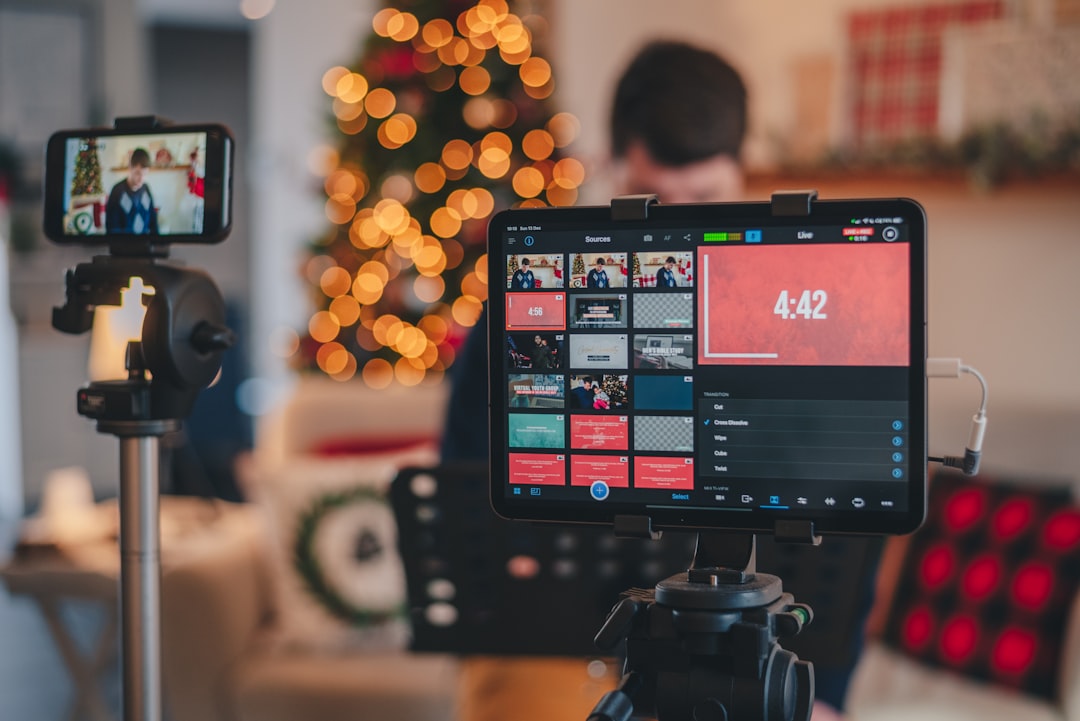
Newer devices can simplify capture, preview, and revision. Foldables are useful because they give you a flexible viewfinder for solo shooting, while playback controls let you review pacing more efficiently. Google Photos’ recent addition of a playback-speed controller reflects a broader creator reality: people increasingly want to inspect motion content at different speeds before deciding what to keep or publish. For device-oriented production thinking, compare this with e-ink workflow tools for mobile pros and smartphone-centered lifestyle integrations.
4. Quick Editing Recipes That Save Time Without Looking Cheap
Recipe 1: The 3-shot proof clip
Use this when you want to demonstrate a tip quickly. Shot one is the problem, shot two is the action, and shot three is the result. Add large captions, keep each shot under five seconds, and let the visual change do the explanatory work. This format is ideal for tutorials, product reveals, and “before/after” comparisons because it minimizes cognitive load.
Recipe 2: The split-screen comparison
This recipe is best for debates, A/B tests, and thumbnail experiments. Place two versions side by side and label them clearly so the viewer can judge instantly. It works especially well when the audience can participate, such as choosing between two opening hooks or two caption styles. If you like structured comparison formats, the logic is similar to local dealer vs online marketplace comparisons: same category, different performance outcomes.
Recipe 3: The text-first reveal
For clips that don’t have strong visuals, let the on-screen text carry the hook. Start with a bold statement, then reveal supporting footage beneath it. This is useful for commentary, data points, and lessons learned from publishing experiments. Think of it as the short-form equivalent of a strong opening paragraph in a case study, like turning local demand into measurable foot traffic.
5. How Foldable Phones Change Composition and Workflow
Design for multiple viewing states
Foldable phones are not just bigger screens; they are adaptable screens. A viewer may start watching on the outer display, then unfold halfway through, then rotate the device or re-open it later. That means your text, focal point, and crucial visuals should remain readable in multiple aspect and size states. If your clip depends on tiny details, it may collapse the moment it gets squeezed into a smaller view.
Use the fold as a production advantage
Creators can use a foldable device as a mini monitor, a hands-free capture stand, or a split-view workstation for editing and reference. This is especially helpful for solo creators who need to film, review, and trim without jumping between devices. The same principle appears in other mobile-first workflows, such as paperless travel workflows and OTT launch checklists for independent publishers, where flexibility is the real feature, not just the hardware.
Reframe “screen size” as “attention surface”
A foldable display expands the available attention surface, but only if your content uses that surface well. In practical terms, that means building stronger hierarchy: a large hook, a visible subject, and a clear end card. It also means avoiding clutter. The more flexible the device, the more important it becomes to simplify the frame, because viewers need an obvious path from curiosity to comprehension.
6. Playback Speed Is Now Part of the Creative Strategy
Think in multiple speeds, not one intended pace
Playback speed used to be a viewer preference feature; now it is part of content design. A clip that works at 1.25x, 1.5x, or even 2x often needs cleaner sentences, tighter pacing, and stronger visual cues. That does not mean every clip should be “fast.” It means creators should test whether the video still makes sense when speed-adjusted. If it falls apart under faster playback, the structure is probably too dependent on filler.
Write captions for skimming and speed-watching
Captions should function like road signs, not transcripts. Keep them short, high-contrast, and synchronized to the beat of the edit. One useful technique is to place a key verb or number in the first 30% of the caption line so viewers can decode meaning even if they are speed-watching. This mirrors how people digest quick insights in articles like security patch summaries or stock-of-the-day reality checks: fast scan, clear takeaway.
Use speed as a test for clarity
A simple editing test is to watch your clip at normal speed and again at accelerated speed. If the hook becomes stronger at 1.5x but the ending becomes confusing, you need to improve the visual hierarchy. If the whole clip feels better at higher speed, you may have too much dead time. This is a practical way to quality-check short-form work before publishing, similar to how operators evaluate resilience for launch surges: what matters is how the system behaves under pressure.
7. Thumbnail A/B Testing for Tiny Attention Windows
Test for the promise, not just the aesthetic
In microcontent, the thumbnail is a promise of value. It should tell viewers what sort of payoff they will get: a surprise, a shortcut, a transformation, or a verdict. A beautiful thumbnail that does not explain the clip’s benefit may get ignored. The best way to think about thumbnails is to treat them like retail shelf packaging: they need to be legible, specific, and easy to compare at a glance.
Run thumbnail tests with one variable at a time
If you change everything at once, you learn nothing. Test the subject’s expression, the text length, the background color, or the framing separately. For example, compare a close-crop thumbnail with a wider context shot, or compare a “How I did it” label against a “Mistake to avoid” label. This approach resembles the decision discipline in resale value checklists and filter-based marketplace decisions, where tiny changes can alter outcomes dramatically.
Use thumbnail variants to match platform context
The same video can need different thumbnails on different platforms because user intent changes by feed. A discovery-heavy platform may reward curiosity, while a follower-heavy platform may reward familiarity and speed. That is why smart cross-posting is not just re-uploading; it is contextual packaging. For more on adapting stories to different channels, see cross-platform storytelling strategies and launch buzz tactics for new releases.
| Thumbnail Style | Best Use Case | Risk | Test Signal | Typical Win Condition |
|---|---|---|---|---|
| Bold text + face crop | Opinion, verdict, reaction clips | Can feel generic if overused | Higher tap-through on curiosity feeds | Strong emotional hook in under 3 words |
| Before/after split | Transformations, edits, tutorials | Needs obvious contrast | More saves and replays | Instantly readable difference |
| Single object close-up | Product demos, mobile tools, tech tips | Can lack human context | Higher completion from niche audiences | Clear object with one supporting label |
| Question card | A/B tests, myth-busting, explainers | May underperform if too vague | Good for comments and guesses | Viewer wants the answer immediately |
| Result-first frame | Case studies, quick wins, tutorials | Can reduce suspense if answer is too obvious | Strong watch-through if payoff is believable | Outcome is visually impressive |
8. Cross-Posting Without Diluting the Clip
Repurpose the core idea, not the exact file
Cross-posting should be a translation exercise, not a copy-paste workflow. The same 15-second clip can become a vertical short, a feed post, a story cutdown, or a newsletter embed if you adjust the opening frame, captions, and CTA. The key is keeping the central promise intact while tailoring the wrapper to the platform. That is how you get the efficiency of reuse without the penalty of looking recycled.
Match platform strengths to clip intent
Some platforms reward fast discovery, others reward completion, and others reward conversation. A clip designed to spark debate may do best where comments are emphasized, while a quick tutorial may do best where saves matter more. Think in distribution tiers: publish the primary version where the audience is most likely to care, then derive platform-specific variants from that master file. For operational thinking around distributed launches, compare with publisher launch checklists and smart strategy guides for choosing where to act first.
Create a cross-post matrix before editing begins
The easiest way to avoid wasted effort is to decide distribution before export. Make a grid: platform, aspect ratio, caption style, thumbnail, CTA, and ideal watch behavior. Then edit toward that matrix instead of trying to salvage one master cut for every channel. If you want the same analytical mindset applied elsewhere, see how earnings data can protect margins and deal tracker-style urgency systems.
9. Metrics That Actually Matter for Microcontent
Watch-through beats vanity views
A million views on a weak clip can be less valuable than a smaller number of deeply engaged viewers who finish, save, and click through. For 15-second content, the metrics that matter most are retention curve shape, completion rate, rewatch rate, tap-through, saves, shares, and comments that indicate actual comprehension. Views still matter, but they are only the entrance metric.
Look for pattern shifts, not one-off spikes
If one thumbnail wins and all others fail, that might be luck. If one category of hook consistently beats the others, that is a pattern you can scale. Create a weekly review that compares hook type, thumbnail type, opening pace, caption style, and platform by outcome. This approach mirrors the kind of practical analysis used in athlete data playbooks and decision-making through better data.
Measure “small wins” that compound
Microcontent often works through accumulation. One clip earns a save, another earns a share, and a third earns a follow from someone who watched all the way through. Those small signals compound into stronger algorithmic distribution and stronger brand memory. If your team only reports views, you’ll miss the real value: repeated attention, not just initial attention.
10. A Practical 7-Day Microcontent Sprint
Day 1: Collect and cluster ideas
Pull 20 small moments from your existing content, comments, customer questions, or creator notes. Cluster them into themes like “mistakes,” “before/after,” “tool tip,” “surprising stat,” and “myth-busting.” This prevents you from starting from zero every week and helps you identify which types of moments your audience naturally responds to.
Day 2: Write hook-first scripts
Write three versions of each hook and choose the one that creates the fastest curiosity. Keep the language concrete and avoid abstract promises. If you can make the opening line sound like a puzzle prompt, a challenge, or a direct benefit, you are usually on the right track. That’s the same mindset that powers game rhythm loops and in-flight binge choices: immediate, clear, and easy to continue.
Day 3-7: Batch, test, and refine
Produce multiple clips in one session, export them in platform-specific versions, and schedule A/B thumbnail tests. Then review the top performers by hook, format, and retention shape. At the end of the week, keep only the patterns that produced meaningful engagement and discard the rest. If you want a framework for turning repeatable production into reusable systems, pair this sprint with backup production planning and prompt workflow design.
11. Common Mistakes That Make Microcontent Feel Weak
Overexplaining the hook
If the opening spends too long setting context, you lose the attention you were trying to earn. A good hook does not explain everything; it promises enough to make the viewer continue. The background can come later, after the first visual reward. This is where many creator edits become bloated: they are trying to “be helpful” before they have earned the right to be detailed.
Using the same thumbnail language everywhere
A thumbnail that works on one platform may underperform on another because the audience is in a different mindset. This is why cross-posting must include packaging changes, not just file conversion. Your goal is to preserve the meaning while improving contextual fit. Think of it the way publishers adapt formats for different channels, as in OTT launch planning or cross-platform storytelling.
Chasing speed at the expense of clarity
Speed is useful, but only if the clip is still understandable. A hyper-fast edit with no visual hierarchy can feel impressive and still fail to convert. The aim is not to prove you can cut quickly; it is to make meaning arrive quickly. That distinction is what separates polished microcontent from disposable noise.
Pro Tip: Treat every 15-second video like a tiny product launch. If the hook is the packaging, the edit is the demo, and the thumbnail is the shelf presence, then your distribution plan is the launch plan.
12. Final Checklist for Publishing Microcontent That Performs
Before you post
Ask whether the clip has one clear idea, one visual payoff, and one obvious next step for the viewer. Check the thumbnail at small size, verify that captions remain readable, and confirm the opening two seconds are strong enough to survive passive scrolling. If the clip only works when explained by you, it is not ready yet.
After you post
Track completion rate, saves, shares, and comments that show comprehension or debate. Compare the same clip across different thumbnails and platform-specific edits. Use the results to build a library of proven hooks, proven framing styles, and proven editing recipes. That library is the real asset, because it turns one-off creativity into a repeatable system.
What to scale next
Once you find a winning format, turn it into a series rather than a one-off. Serial microcontent is easier to recognize, easier to distribute, and easier for the audience to return to. Over time, that structure can support community growth, commercial partnerships, and stronger brand memory. It is the same logic that makes accessible, repeatable frameworks and age-aware content design so effective: consistency builds trust.
FAQ: Microcontent for Microattention
1. What is microcontent in short-form video?
Microcontent is ultra-focused content designed to deliver one idea, one payoff, and one action in a very short runtime, often around 15 seconds. It works best when the message is simple enough to grasp instantly but interesting enough to reward a replay. In practice, microcontent is less about length and more about precision.
2. How do foldable phones affect short-form video strategy?
Foldable phones change viewing contexts by creating multiple screen states, which affects readability, framing, and user behavior. Creators should make sure text is legible at smaller sizes and that key visuals remain clear when the device is unfolded, rotated, or held differently. Foldables also help with solo production by acting as flexible capture and review tools.
3. Should I make my clips work at 2x playback speed?
Not every clip needs to be built for 2x viewing, but every clip should still feel clear and coherent when sped up. If your pacing relies heavily on filler, your structure is too weak. The best clips use visual hierarchy and concise captions so the main idea survives faster playback.
4. How many thumbnails should I test for one clip?
Two to four is usually enough for meaningful learning without creating noisy data. Test one variable at a time, such as text, crop, expression, or background. That makes it much easier to understand which change improved performance.
5. What is the best way to cross-post microcontent?
Start with one master idea, then adapt the opening, captions, thumbnail, and CTA for each platform. Do not simply repost the same file everywhere and expect identical results. The best cross-posting respects platform context while preserving the core message.
6. How do daily puzzles fit into video strategy?
Daily puzzles are a useful model for short-form content because they create a quick challenge and a fast payoff. You can use question-and-answer pacing, reveal structures, and “guess the outcome” hooks to mimic that loop. This makes your content feel interactive even when the viewer is passive.
Related Reading
- Designing Logos for AI-Driven Micro-Moments: A Playbook for 2026 - Learn how tiny visual decisions can improve recognition in fast-scrolling feeds.
- The New Streaming Categories Shaping Gaming Culture (and Which Ones Will Stick) - Explore how audience behavior creates new content formats.
- Breaking Down the Buzz: Marketing Strategies for Upcoming Music Releases - See how launch timing and anticipation can lift short campaigns.
- Best True Wireless Earbuds Under $30: Why the $17 JLab Go Air Pop+ Is Worth a Look - A practical example of packaging value for fast decisions.
- RTD Launches and Web Resilience: Preparing DNS, CDN, and Checkout for Retail Surges - A useful parallel for preparing content systems for spikes in attention.
Related Topics
Jordan Vale
Senior SEO Content Strategist
Senior editor and content strategist. Writing about technology, design, and the future of digital media. Follow along for deep dives into the industry's moving parts.
Up Next
More stories handpicked for you

When Originals Vanish: How Scarcity and Reissues Drive Demand for Content

Navigating Class Tensions in Performance Art: Lessons from 'Eat the Rich'

Self-Destruction and the Artist: A Critical Examination

From Sea to Plate: How to Perfect Seafood Butchery Techniques in Your Kitchen

Laughing with a Purpose: The Intersection of Comedy and Politics
From Our Network
Trending stories across our publication group

Turning a Moment into a Campaign: How to Amplify a 'Moment in Time' Across Episodes and Channels
Managing Live or Sensitive Announcements: A Host’s Checklist for Creators

How to Time Product-Review Coverage When Flagship Devices Keep Getting Delayed

Creature Features to Clickbait: Adapting Eccentric Genre Concepts into Social-First Content

Managing Redesign Backlash: A Framework for Iterating Characters, Creators, and Product Aesthetics